





18/11/2026
Share

Keywords: Green Information Technology; Sustainable Consumption; Consumer Value Theory; Green IT Adoption Intention; Young Consumers; Ho Chi Minh City.
Environmental protection and sustainable development have become global priorities, particularly in the area of green consumption. In this context, Green Information Technology, or Green IT, plays an important role in balancing technological progress with environmental protection. However, in Vietnam, empirical research on Green IT Adoption Intention remains limited, especially among young consumers. Against this backdrop, a research team from the University of Economics Ho Chi Minh City, or UEH, conducted the study titled: “Motivation and Barriers to Green Technology Adoption Intentions: A Perspective from Ho Chi Minh City Young Consumers.” The study aims to explore the motivations and barriers that influence young consumers’ Green IT Adoption Intention in Ho Chi Minh City, while also proposing suitable policy implications for Green IT.
Many urban areas in Vietnam, particularly Ho Chi Minh City, are facing serious environmental challenges due to the rapid growth of electronic waste. For example, waste from television sets alone was projected to reach 250,000 tonnes by 2025. In addition, the inefficient use of technological devices further contributes to energy waste and environmental pollution. Although digital transformation and Green IT offer significant opportunities for sustainable development, young consumers still face certain barriers related to awareness and cost when adopting these technologies. Therefore, this study was conducted to examine how consumer values and product attributes influence the Green IT Adoption Intention of young consumers aged 15 to 29 in Ho Chi Minh City, during the period from October 2024 to January 2025.
Key factors influencing Green IT Adoption Intention
For this topic, the research team examined factors from the Theory of Consumption Values, integrated with the Technology Acceptance Model. These factors include Brand Image, Emotional Value, Conditional Value, Social Value, Epistemic Value, Functional Value, Beauty Value, and Price Sensitivity, all of which may influence Green IT Adoption Intention.
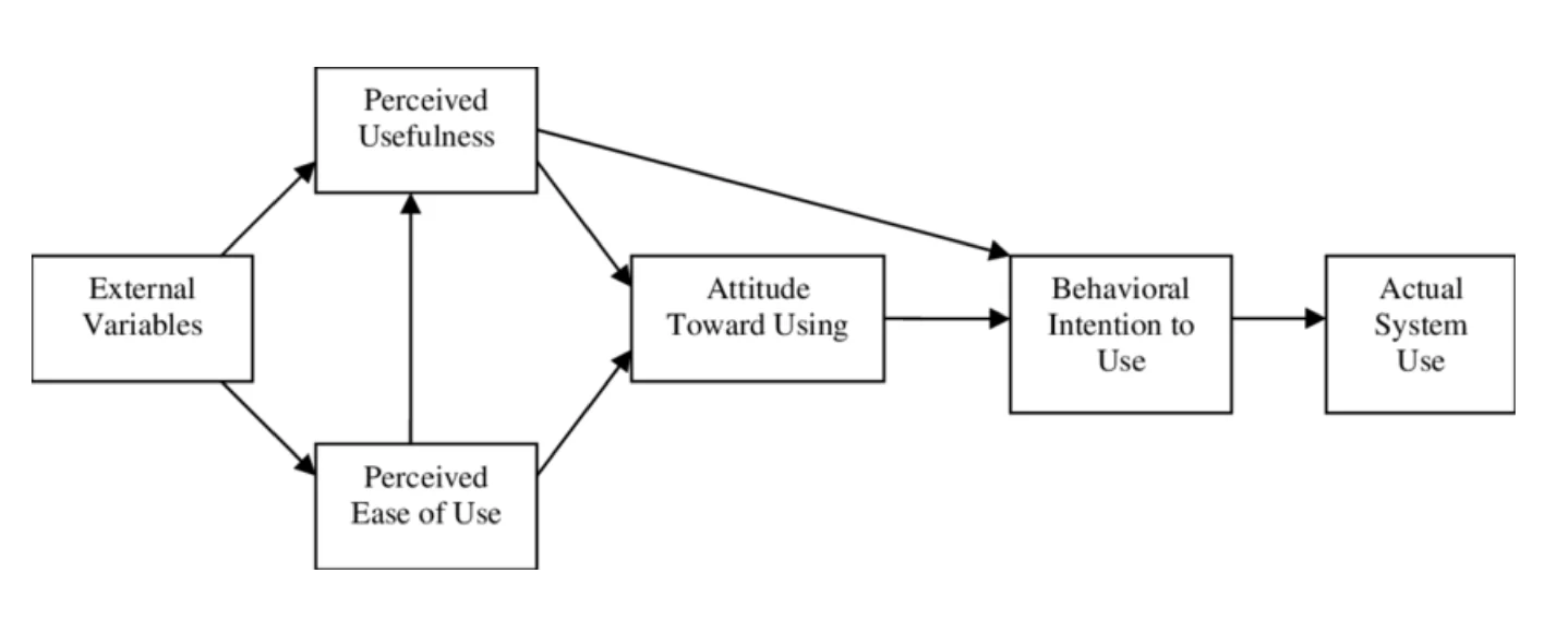
Theory of Consumption Values Model
Source: Compiled and redrawn by the authors.
The first factor is Brand Image. Keller (2001) defines it as the added value that a brand brings to a product through its credibility, awareness, and positive reputation. In the field of Green IT, Brand Image also includes consumers’ perceptions of a company’s environmental responsibility and commitment to sustainable development. Previous studies suggest that brands with a strong environmental reputation can build deeper emotional connections with consumers and strengthen their competitive advantage. In addition, transparent production processes, eco-labels such as Energy Star, RoHS, and ISO certifications, as well as a credible sustainability reputation, can reduce consumer skepticism, increase trust, and strongly encourage the adoption of green products.
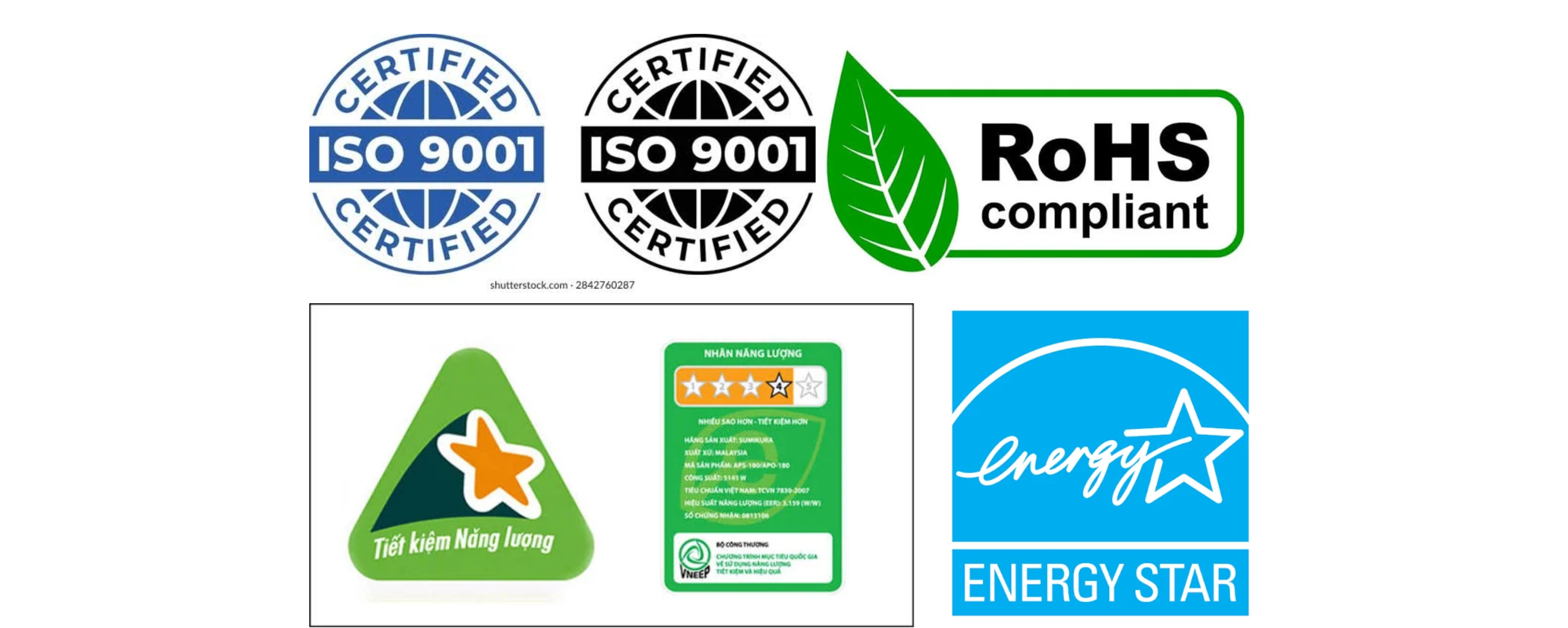
Eco-label illustration
Source: Collected.
Next are Emotional Value and Social Value. Emotional Value reflects positive feelings such as happiness, pride, and satisfaction when consumers feel that their purchase contributes directly to long-term ecological balance. Meanwhile, Social Value refers to the perceived benefits that come from group belonging, peer influence, and community expectations. Adopting Green IT can help individuals present themselves as progressive, enhance their social status, and gain recognition from people around them.
Conditional Value and Epistemic Value are also important drivers of behavior. Conditional Value shows that consumers’ intentions may depend on specific circumstances or external support, such as government incentives, discount programs, promotions, and product availability in the market. In contrast, Epistemic Value represents consumers’ motivation to learn, their desire to explore advanced technological features, and their interest in understanding the long-term environmental benefits of Green IT products. In addition, the study considers inherent product attributes, including Functional Value and Beauty Value.
Functional Value refers to the perceived usefulness gained from practical product features, such as performance, durability, energy-saving capability, and the ability to meet work-related needs. On the other hand, Beauty Value relates to the perceived benefits of harmonious design, modern appearance, product style, and color. These elements can act as signals of sustainability and attract consumers’ attention.
Finally, the study examines the cost barrier through Price Sensitivity, which measures the extent to which consumers hesitate or change their behavior in response to price differences. For Green IT products, the initial price is often higher than that of conventional products because of component and manufacturing technology costs. This creates a financial barrier for consumers in developing markets.
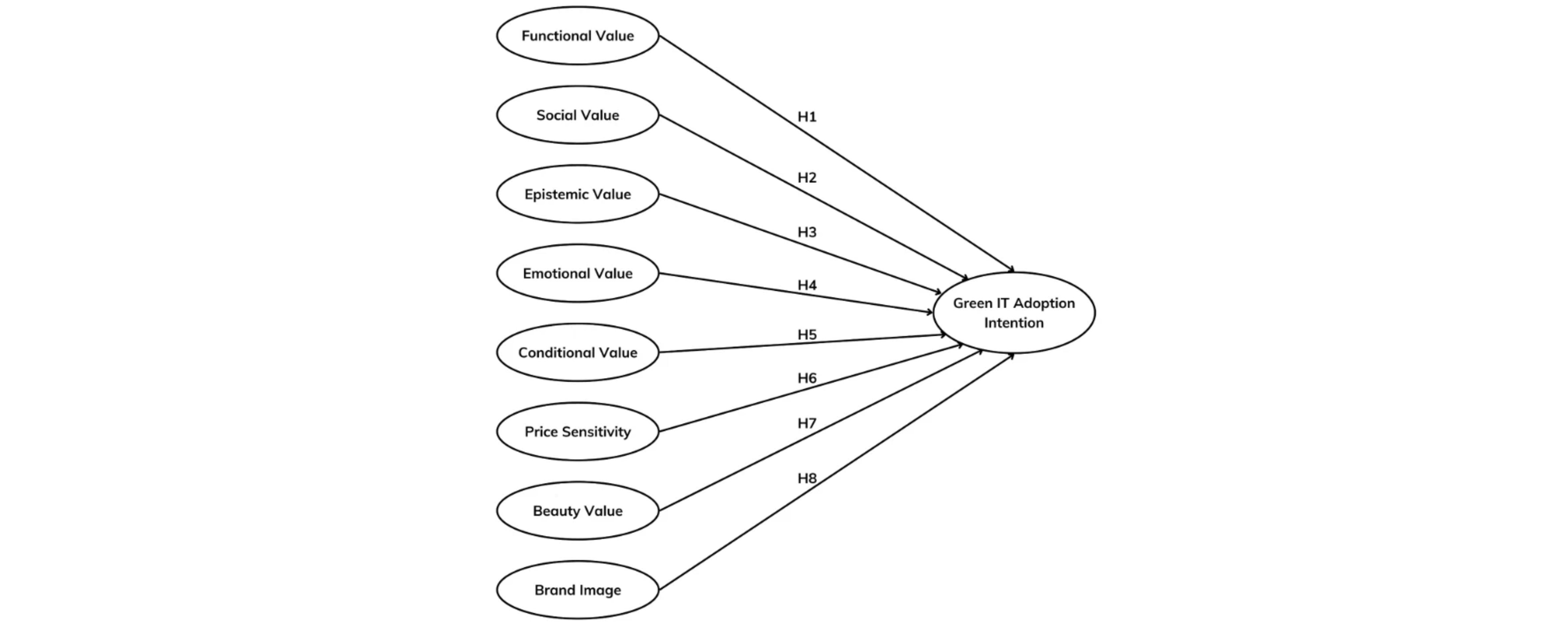
Research Model
Accordingly, the study examined how the eight factors discussed above influence the Green IT Adoption Intention of young consumers, aged 15 to 29, in Ho Chi Minh City from October 2024 to January 2025. To achieve its research objectives, the authors used Partial Least Squares Structural Equation Modeling, or PLS-SEM, with SmartPLS and SPSS software.
The empirical findings confirmed that seven out of the eight factors had a statistically significant positive effect on Green IT Adoption Intention, explaining 78.1% of the variance in the dependent variable. Among them, Brand Image had the strongest effect, followed by Emotional Value, Conditional Value, Social Value, Epistemic Value, Functional Value, and finally, Beauty Value.
However, contrary to expectations, the study found that Price Sensitivity did not have a statistically significant effect on Green IT Adoption Intention. This reflects a clear shift in the awareness of young consumers in Ho Chi Minh City: they tend to prioritize long-term sustainability and environmental impact over the initial cost. In addition, analyses of control variables showed no statistically significant differences in Green IT Adoption Intention by gender, occupation, or income.
Policy implications
First, building a credible and transparent green brand strategy should be a top priority for technology companies. The findings confirm that Brand Image has the strongest influence on young consumers’ Green IT Adoption Intention. At a time when 62% of consumers still lack sufficient information to distinguish genuinely green products from greenwashing, brand credibility becomes a decisive factor. Therefore, companies should proactively obtain credible international environmental certifications, such as Energy Star, RoHS, and ISO 14001. They should also transparently disclose their production processes, the origins of recycled materials, and their commitments to social responsibility.
Second, companies should leverage social influence and improve consumers’ Epistemic Value through educational communication. The study shows that Social Value and Epistemic Value play important roles in encouraging adoption behavior. Young people tend to embrace Green IT partly because it helps them express a progressive personal image and gain recognition from their communities. Therefore, businesses should develop marketing campaigns that encourage self-expression while also providing clear comparisons of product performance, energy savings, and carbon-emission reductions. In fact, more than 70% of students are willing to use Green IT when they receive sufficient information about its long-term environmental and economic benefits.
Third, companies should introduce flexible financial policies while improving product design. Although Price Sensitivity is not a direct barrier, as young consumers are willing to pay 10 to 15% more for sustainable products, financial support policies can still strongly encourage consumption. Businesses could offer zero-interest installment plans, trade-in programs, or group-purchase discounts. At the same time, they should invest in Beauty Value by designing products with modern, refined styles and fashionable color palettes to make them more appealing to Gen Z and Millennials.
Next, from a public-management perspective, it is necessary to strengthen regulations, provide tax incentives, and promote a circular economy. To address high production costs caused by expensive imported green components, the government should introduce import-tax incentives and provide financial support for domestic Green IT research and manufacturing. In particular, with Ho Chi Minh City facing the risk of generating up to 250,000 tonnes of electronic waste by 2025, policymakers should institutionalize extended producer responsibility, develop e-waste collection and recycling infrastructure, and encourage circular-economy models to reduce pollution.
Finally, young consumers should be guided to build awareness and practice a more sustainable technology lifestyle. Consumers are the final link that determines the success of the green transition. Young people can actively change their daily technology habits by enabling energy-saving modes, turning off computers and projectors when they are not in use, avoiding overnight charging, and bringing old devices to official collection and recycling programs instead of disposing of them freely into the environment.
The study has indirectly contributed to SDGs 9, 12, and 13. Read the full study “Motivation and Barriers to Green Technology Adoption Intentions: A Perspective from Ho Chi Minh City Young Consumers” HERE
The authors: Le Thi Thu Hoa, Pham Tran Van Khuong, Le Thi Kim Trang, Dang Thi Minh Ngoc, Do Thu Huong - University of Economics Ho Chi Minh City.
This article is part of the Green Research Community series with the message “Research Contribution for UEH Living Lab Green Campus” UEH sincerely invites the community to follow the next Green Research Community newsletter.
|
*To create maximum conditions for the development of the “UEH Green Researcher Community” members of the community will be able to attend scientific research methods classes related to the topics of Living Lab and Green Campus. Additionally, upon meeting the standards, the research team will receive a certificate from the UEH Sustainable University Project Board and financial support for a standard-compliant project. |
More Information:
SDG 9 – Industry, Innovation, and Infrastructure aims to build resilient infrastructure, promote sustainable industrialization, and encourage innovation. This goal goes beyond advancing technology and production; it also includes narrowing infrastructure access gaps between regions, supporting small and medium-sized enterprises, and applying technology to enhance global competitiveness.
SDG 12 – Responsible Consumption and Production focuses on ensuring sustainable production and consumption patterns, thereby reducing pressure on natural resources, minimizing waste, and limiting environmental pollution. This goal emphasizes the importance of effective waste management, optimal use of resources, and promoting changes in consumer behavior at both individual and community levels, particularly through education and awareness.
SDG 13 – Climate Action calls for urgent measures to combat climate change and its adverse impacts by reducing greenhouse gas emissions, enhancing adaptive capacity, and raising public awareness. This goal goes beyond national-level policies and requires changes in individual and community behaviors in daily life, especially in areas directly linked to waste generation and management.
News, photos: UEH Green Campus Project, UEH Youth Union - Student Association, UEH Communications and Partnership Development Department

