





13/04/2026
Share

SDG 1 - No Poverty is one of the core objectives of the 2030 Agenda for Sustainable Development, aiming to ensure social security and expand opportunities for vulnerable groups. On this basis, the University of Economics Ho Chi Minh City (UEH) has implemented various programs to support learners and the community, focusing on expanding access to education, providing financial support, and promoting sustainable livelihoods. The following article in the Green Monday Series will explore with readers UEH's contributions to the first of the 17 Sustainable Development Goals (SDGs).
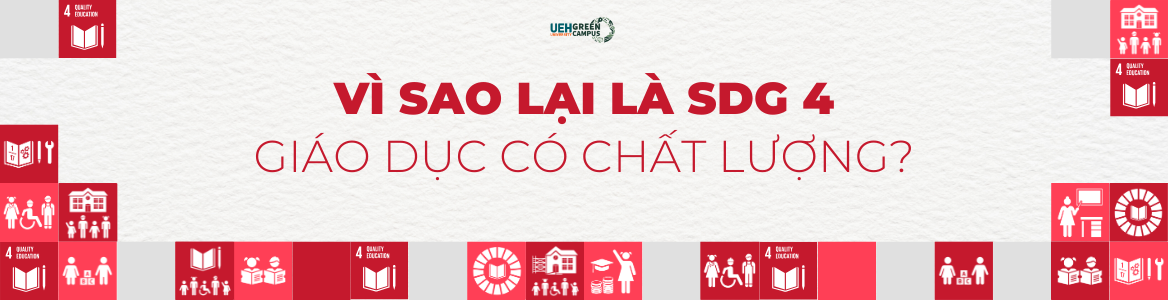
According to United Nations reports, although the global poverty rate has significantly decreased over the past decades, as of 2025, approximately 808 million people - equivalent to one-tenth of the world's population—still live in extreme poverty. If this trend continues, it is estimated that by 2030, about 8.9% of the global population will still be affected by poverty, amid rising food prices and increasingly complex socio-economic risks.
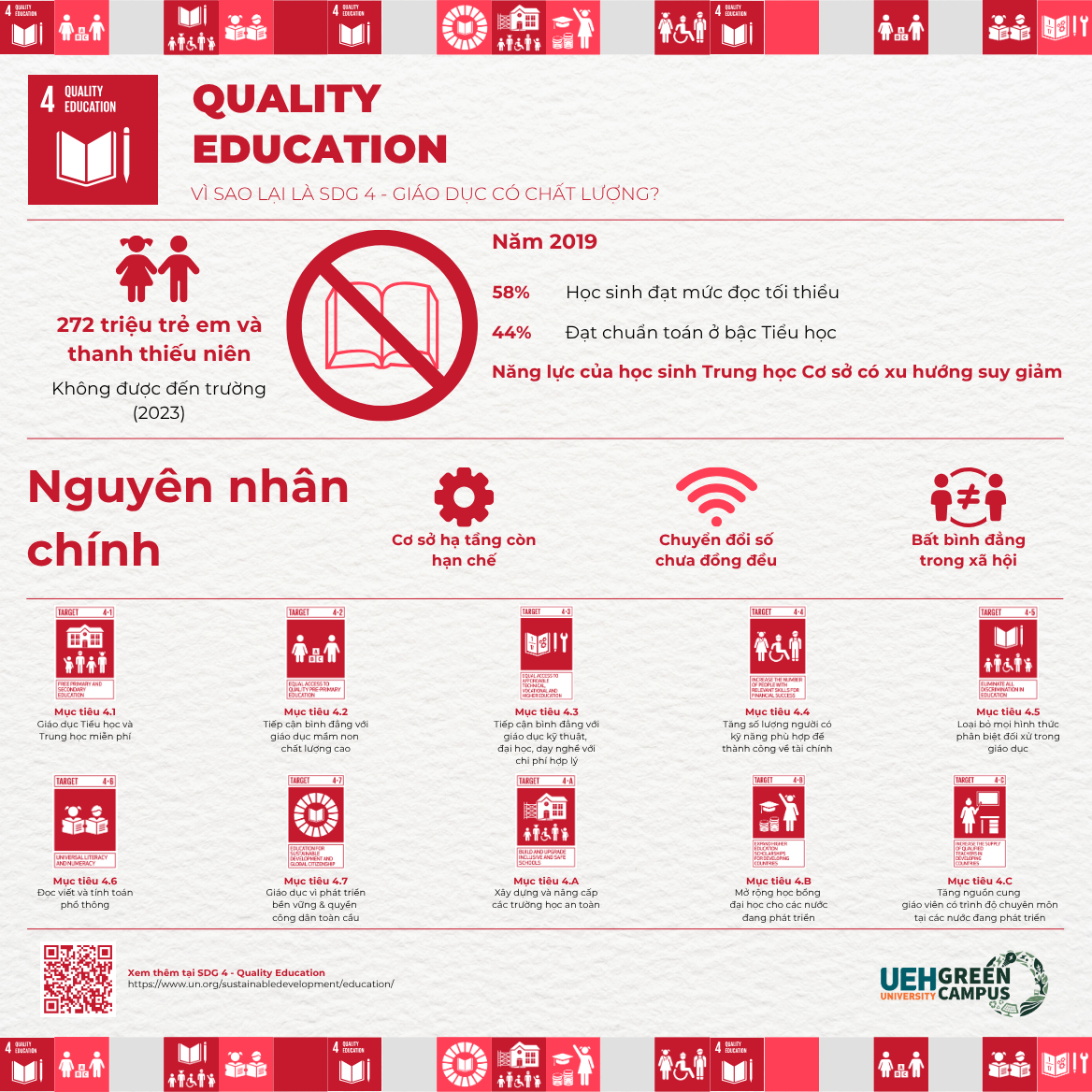
The main causes of poverty stem from unemployment, inequality, social isolation, and limited resilience to natural disasters and epidemics. Therefore, building a sustainable social protection system and mobilizing multi-dimensional resources have become key factors for effective poverty reduction. However, approximately 47.6% of the world's population is still not covered by adequate social security systems (UNDP, 2023), indicating the urgent need to promote inclusive and long-term development solutions to achieve SDG 1.
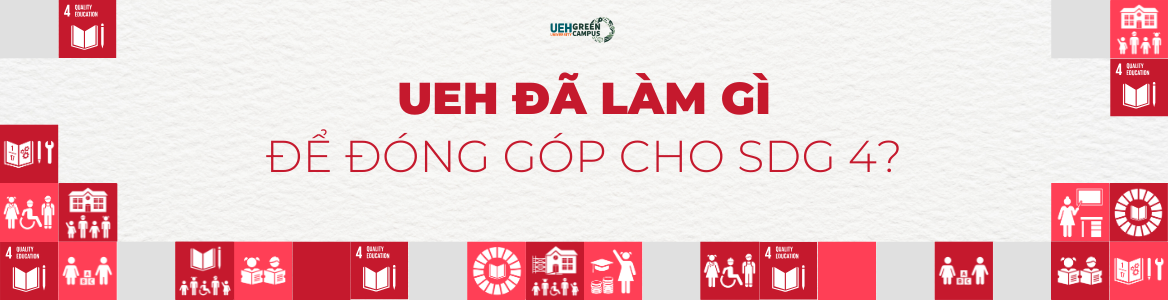
Towards realizing SDG 1, UEH has implemented numerous support policies for students from difficult circumstances to ensure fair access to education. Specifically, UEH has comprehensively recruited vulnerable groups, allocated 70 billion VND in scholarships, granted 309 scholarships from external units, implemented flexible academic credit schemes, and supported tuition fee installment payments with 0% interest. In 2024, 499 tuition fee exemptions and reductions were issued with a budget of nearly 6 billion VND, along with dormitory support for more than 140 students, subsidized bus services, physical and mental health care, and support for students with disabilities. These efforts have helped 96.8% of students in the lowest 20% income bracket receive scholarships, while directly supporting 169 students from poor and near-poor households.
In addition to supporting learners, UEH also focuses on promoting sustainable livelihoods through its entrepreneurship and innovation ecosystem. Through the UEH Institute of Innovation (UII), more than 50 workshops, hackathons, and competitions have been organized, mobilizing 138,000 USD in sponsorships, connecting 50 investors, supporting 10 successful fundraising projects, and conducting 96 policy research studies for the startup community. These activities contribute to creating employment opportunities, developing economic capacity, and promoting sustainable business models.
Furthermore, UEH has invested in infrastructure projects such as rural roads, solar-powered lights, children's playgrounds, cultural houses, and waste treatment models to improve access to basic services and enhance living conditions. Simultaneously, it has actively organized social welfare activities including sending 11,000 gifts to disadvantaged children, supporting poor households, and implementing training programs, health check-ups, and community communication campaigns. In parallel, UEH has conducted 11 ministry-level research projects, 96 institutional-level research projects, and participated in 12 international projects, contributing to advancing poverty reduction and inclusive development policies at local, national, and global levels.
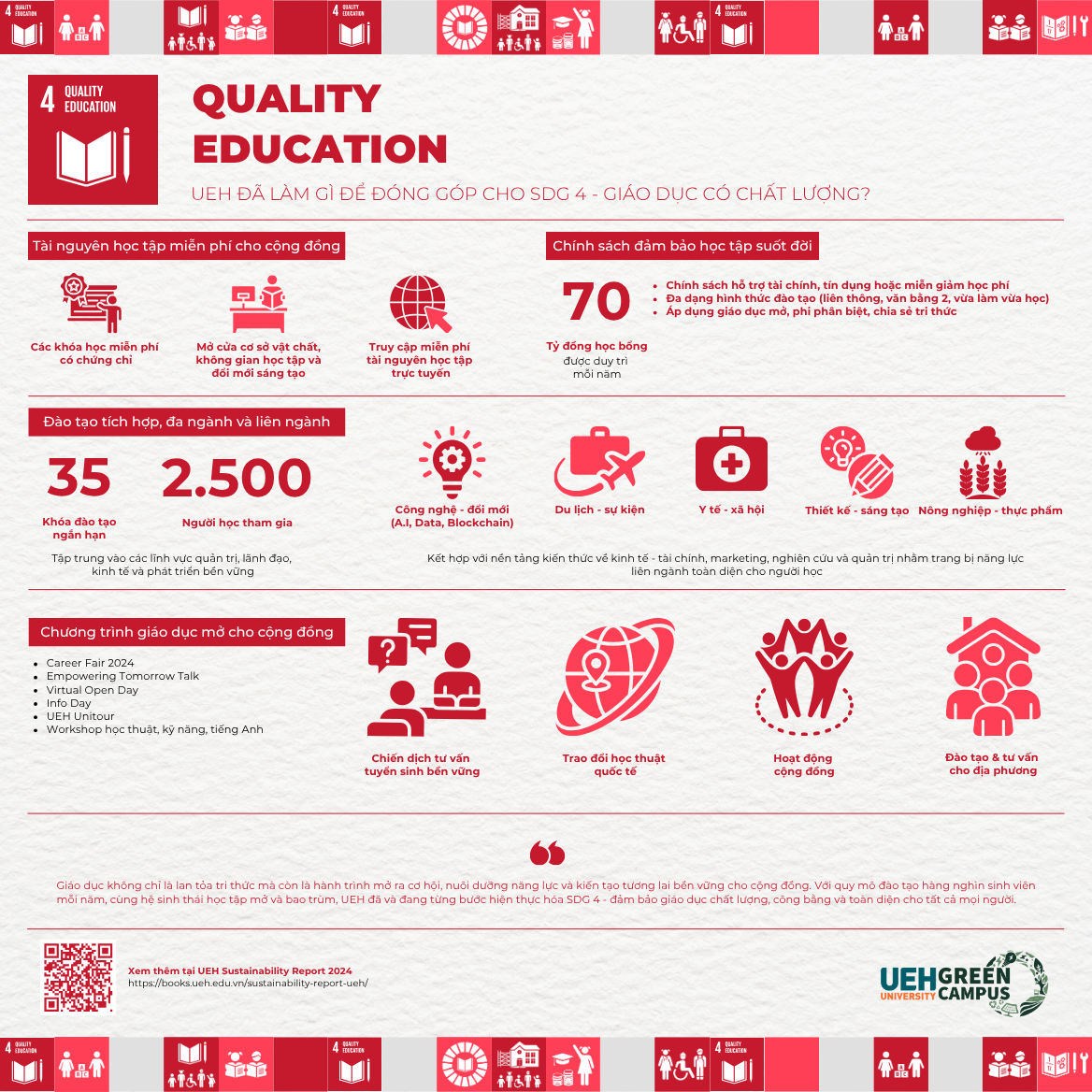
Infographic of UEH's contributions to SDG 1 - No Poverty
Poverty eradication is not only a global goal but also a journey that requires the joint efforts of every individual and organization. Through comprehensive efforts in education, entrepreneurship, and community service, UEH is progressively promoting inclusive development, spreading the spirit of leaving no one behind, and moving towards a sustainable future for society.
|
What can we do to contribute to SDG 1?
|
This article is referenced from:
1. UEH Sustainability Report 2024: https://books.ueh.edu.vn/sustainability-report-ueh/
2. SDG 1 - No poverty: https://www.un.org/sustainabledevelopment/poverty/
New and photos: UEH Green Campus Project
